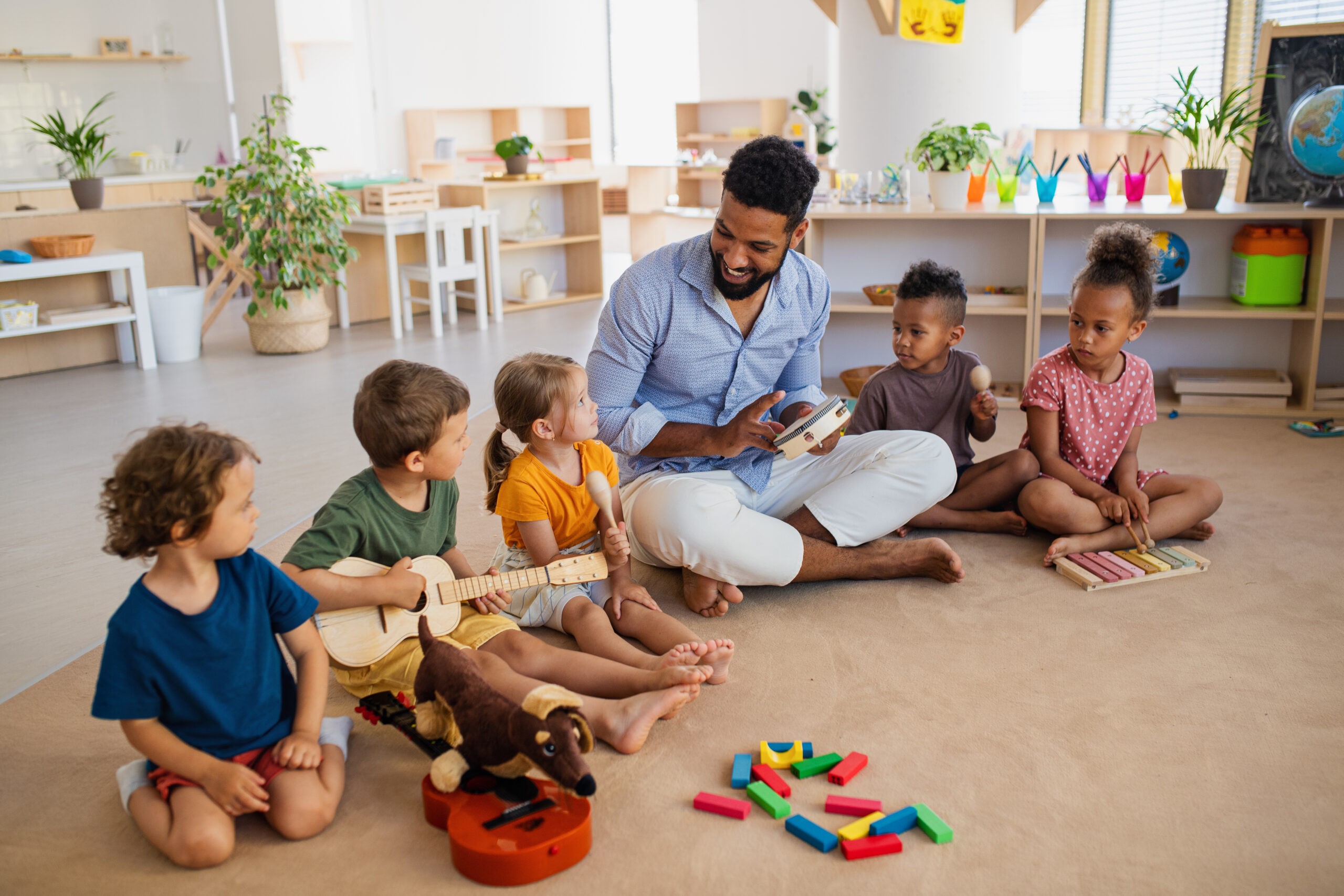
For young children, learning is about much more than letters, numbers, and new skills. It also happens through relationships. The connections children build with parents, caregivers, educators, and other children help shape how they see themselves and the world around them. When children feel safe, cared for, and included, they have a stronger foundation for exploring, learning, and growing.
This is why relationships in early childhood are such an important part of a child’s development.
Why Are Relationships Important in Early Childhood?
Young children learn through connection. A warm, responsive relationship with a trusted adult can help a child feel secure enough to explore, try something new, or ask for help. Everyday interactions may seem small, but they matter. An educator greeting a child by name, comforting them when they are upset, listening to their ideas, or celebrating an accomplishment sends an important message:
You are safe. You are important. You belong here.
Over time, positive relationships can help children build confidence, communication skills, and a sense of security.
Helping Children Build a Sense of Belonging
Belonging means feeling accepted and valued as part of a group. For a young child, this might mean recognizing familiar faces, knowing where their favourite toys are, participating in daily routines, or seeing their ideas included in play.
Parents, caregivers, and educators can help children feel that they belong by:
-
Learning about their interests
-
Listening to their ideas
-
Creating familiar routines
-
Giving them opportunities to participate
-
Celebrating different families, cultures, and experiences
-
Offering choices and encouraging independence
-
Helping them feel heard and respected
When children feel accepted for who they are, they can begin to develop a stronger sense of confidence and identity.
How Friendships Support Early Childhood Development
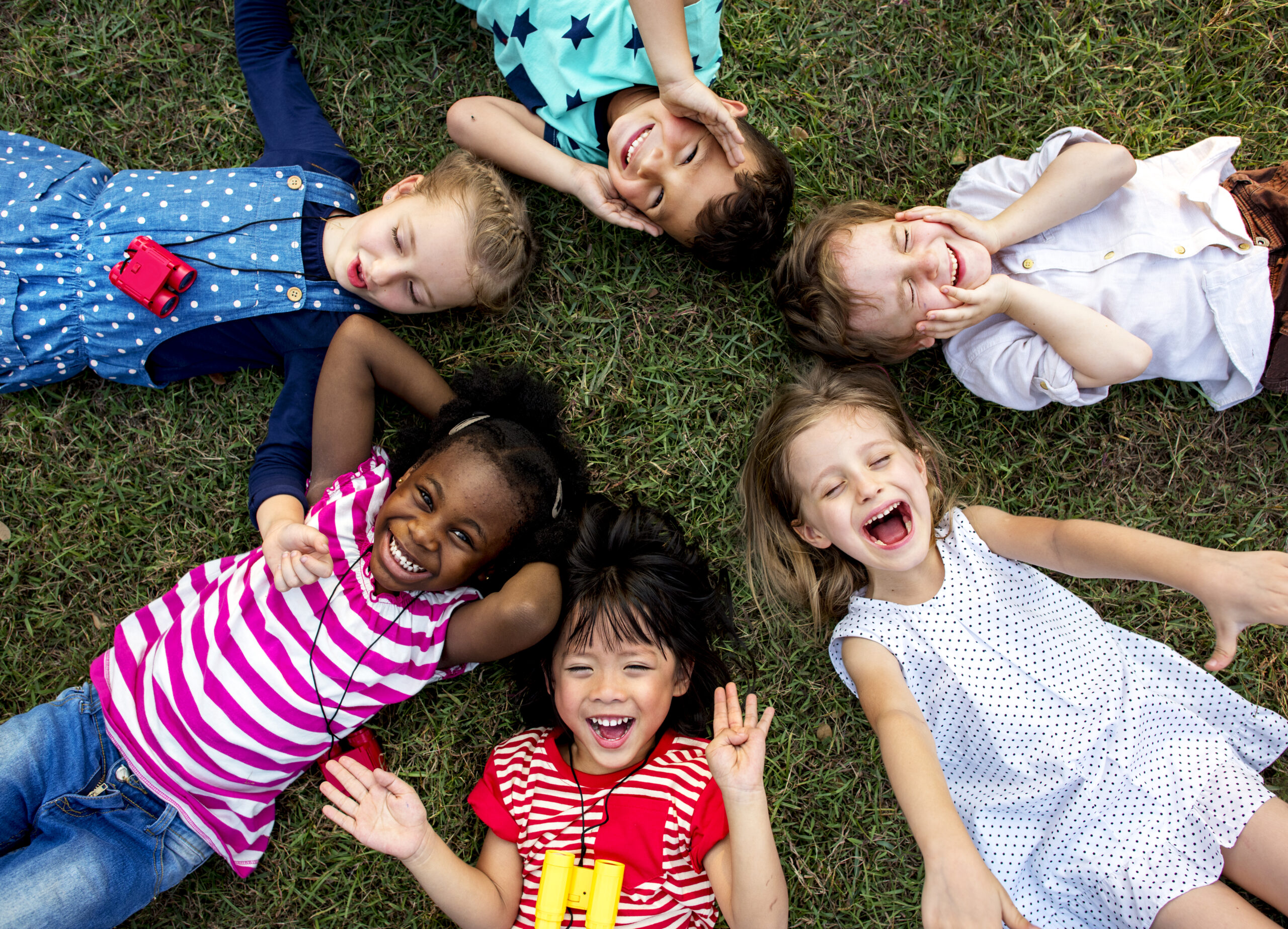
Playing with other children gives young learners opportunities to practice sharing, taking turns, communicating, solving problems, and understanding different perspectives. Not every interaction will go smoothly, and that’s part of learning too.
A disagreement over a toy can become an opportunity to communicate. Waiting for a turn can build patience. Inviting another child to play can encourage kindness and inclusion. Adults don’t need to solve every small conflict. Instead, they can help children understand what happened, listen to one another, and work toward a solution. These early friendships and interactions help children develop social skills they will continue to use as they grow.
Teaching Kindness Through Everyday Moments
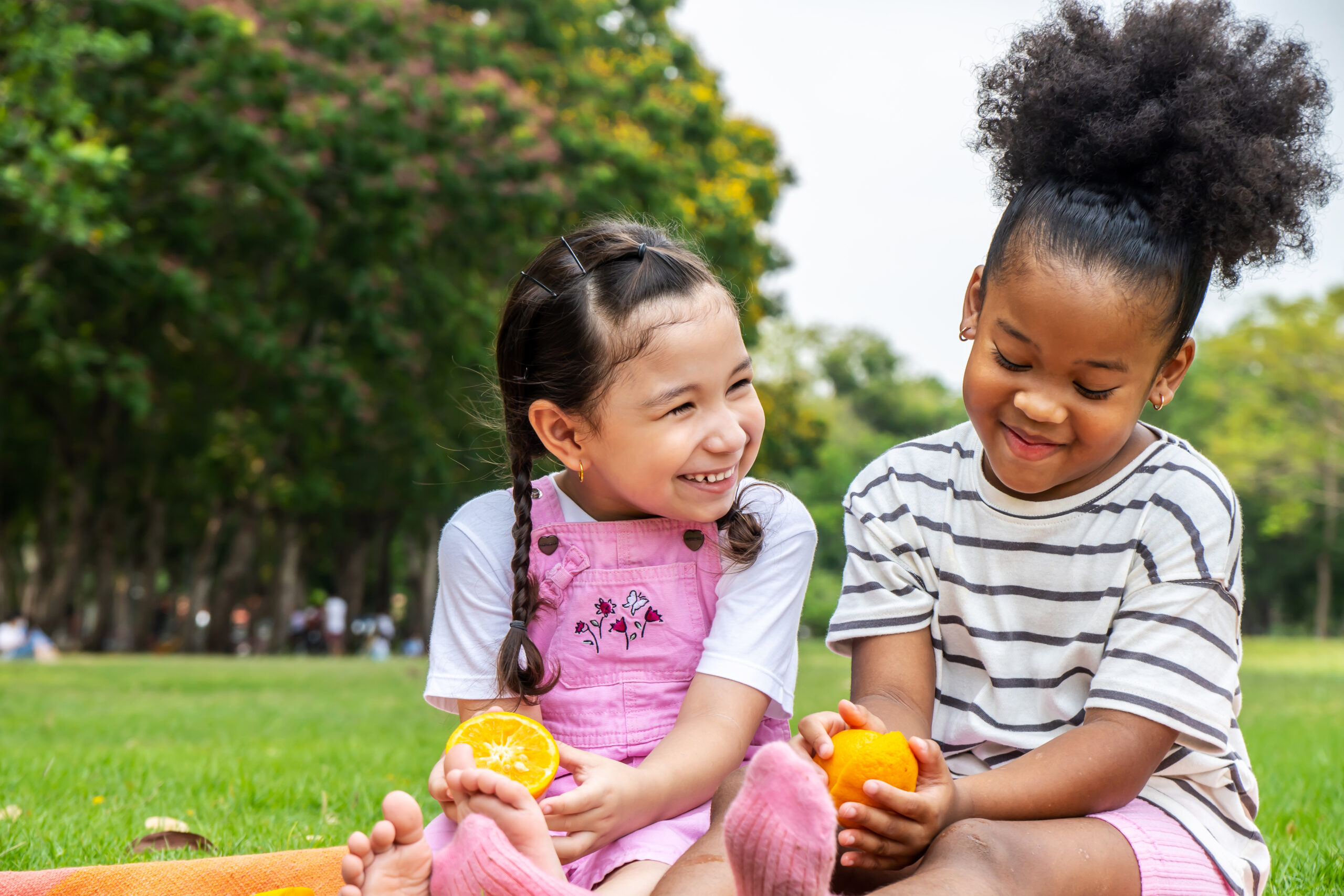
Kindness isn’t just something children are taught. It’s something they experience and practice. Young children learn by watching the people around them. They notice when someone helps a friend, shares a toy, offers comfort, or says thank you.
Adults can encourage kindness by recognizing these moments:
“You noticed your friend needed help, and you helped them.”
“You waited for your turn. That was kind.”
“Your friend looks sad. What could we do to help?”
Simple conversations like these help children recognize emotions, think about how others feel, and understand how their actions affect others.
How Early Childhood Educators Build Connections
Early childhood educators play an important role in creating environments where relationships can grow. Children benefit from adults who are patient, responsive, and interested in what they have to say. Educators can also help children connect with one another through group activities, cooperative play, and support during disagreements.
Every child develops relationships differently. Some children quickly join group activities, while others need more time. A supportive educator can recognize these differences and help children participate at a pace that feels comfortable.
Relationships Create a Foundation for Learning
When children feel safe, connected, and supported, they are better able to explore their environment and engage in learning. That’s why relationships aren’t separate from early learning. They are part of it.
At Columbia Childcare Centre in Calgary, learning through play is connected to the development of communication, cooperation, independence, and other important life skills. Our child-centred approach recognizes the importance of children, families, and educators working together as a community.
Parents and caregivers also play an important role. Connection doesn’t require elaborate activities. It can be a conversation at the dinner table, a comforting hug after a difficult moment, playing together, or simply listening when your child has something to say. These everyday moments help children learn that relationships can be safe, caring, and dependable. And that’s a powerful foundation from which to grow.